News
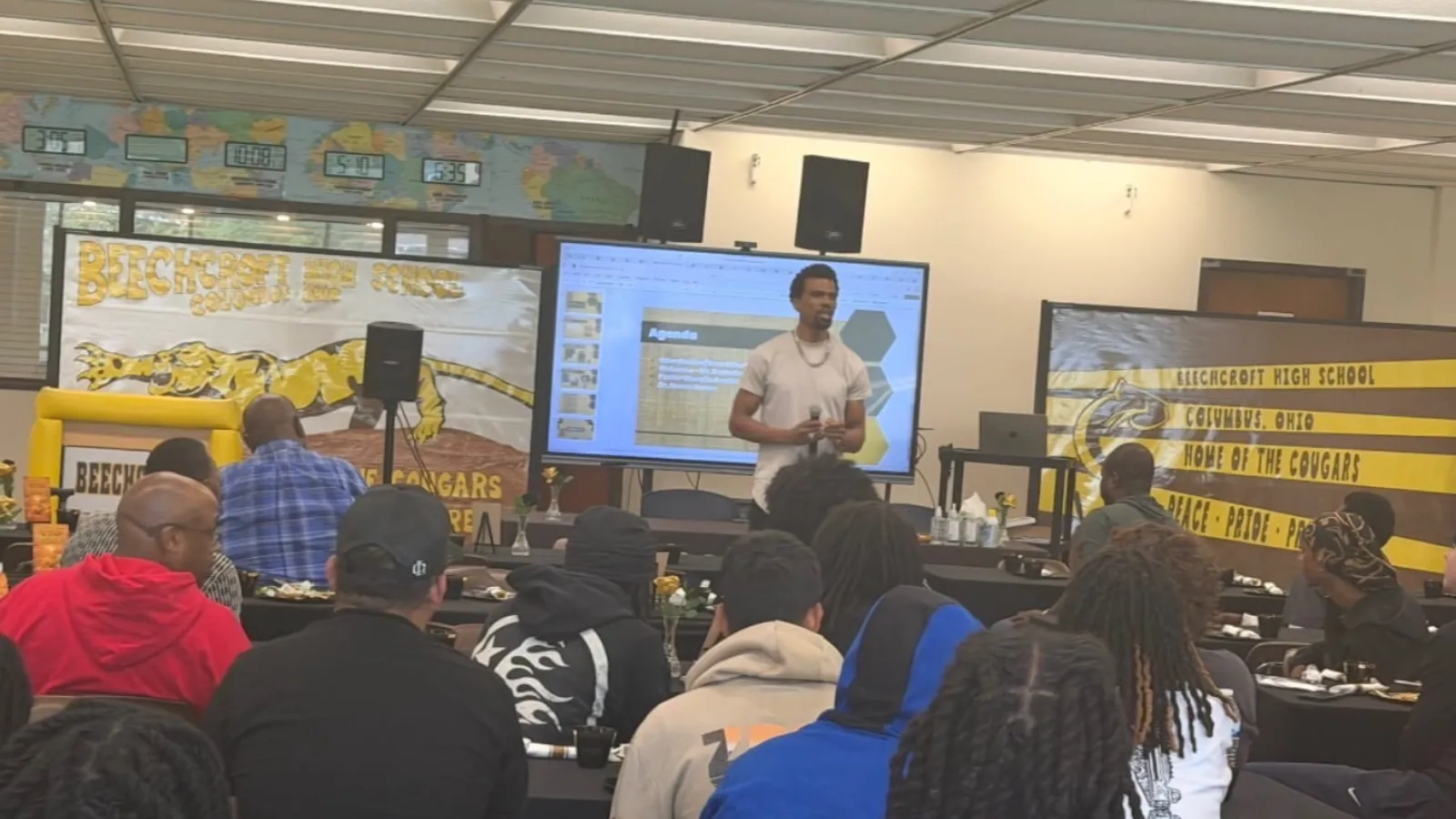
Led by Devon Carter, an adjust assistant professor in the Department of Psychology, the Recognize Education and Learning Mentorship Program connects college and high school students.

Simply playing organized youth sports does not reduce the likelihood of committing violence in one’s lifetime, according to a new study led by psychology graduate Emily Nothnagle.

The latest issue of ASCENT highlights the work of Dr. Richard Petty, a leading expert on how people form and change their beliefs.

As a summer policy intern in Washington, D.C., Rajeev Rai ’26 was asked to evaluate a perplexing issue: Why did many recipients of WIC nutritional assistance abandon their benefits after two years…
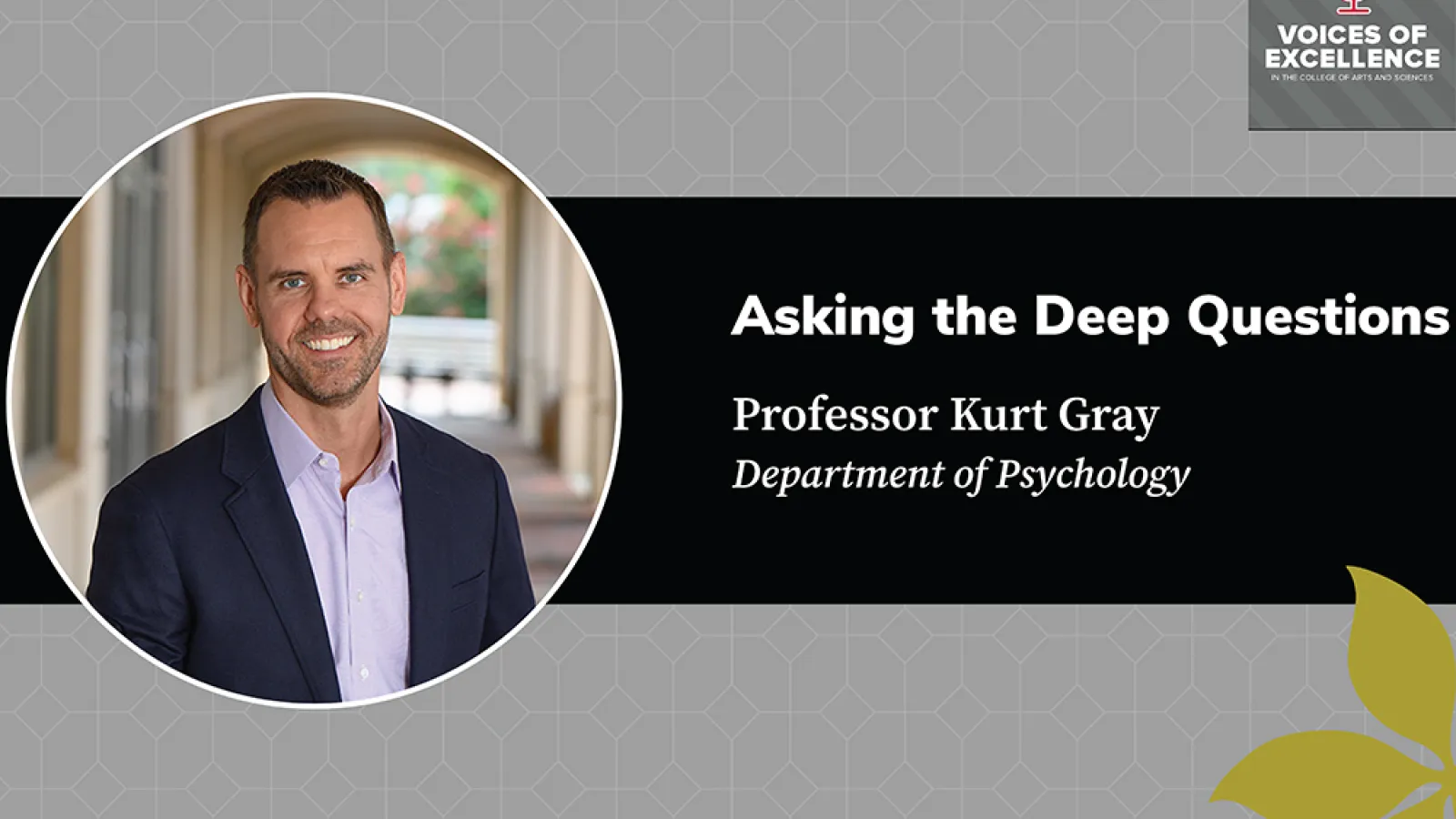
In a recent episode of Voices of Excellence, Dr. Kurt Gray discusses his research on morality, political division, beliefs and polarization, as well as possible ways to bridge gaps between…

In a recent episode of the Voices of Excellence podcast, Dr. Schoppe-Sullivan discusses her research on father-child relationships, co-parenting, and the transition into parenthood.

Led by Alan Davis, an affiliated faculty member of the Department of Psychology, a new study suggests psychedelic-assisted therapy has long-term benefits.

New research suggests a synergy between depression and inflammation in lung cancer patients, according to clinical psychology professor Barbara Andersen, one of the study's authors.

A new study led by Philip Mazzocco, associate professor of social psychology Ohio State Mansfield, finds that most people imagine they are better at overcoming pressure to violate their own…

Jean Carfagno remembers the morning the sun disappeared.
Shortly after wildfires began devouring large swaths of Southern California on Jan. 7, 2025, she watched thick smoke obscure the…
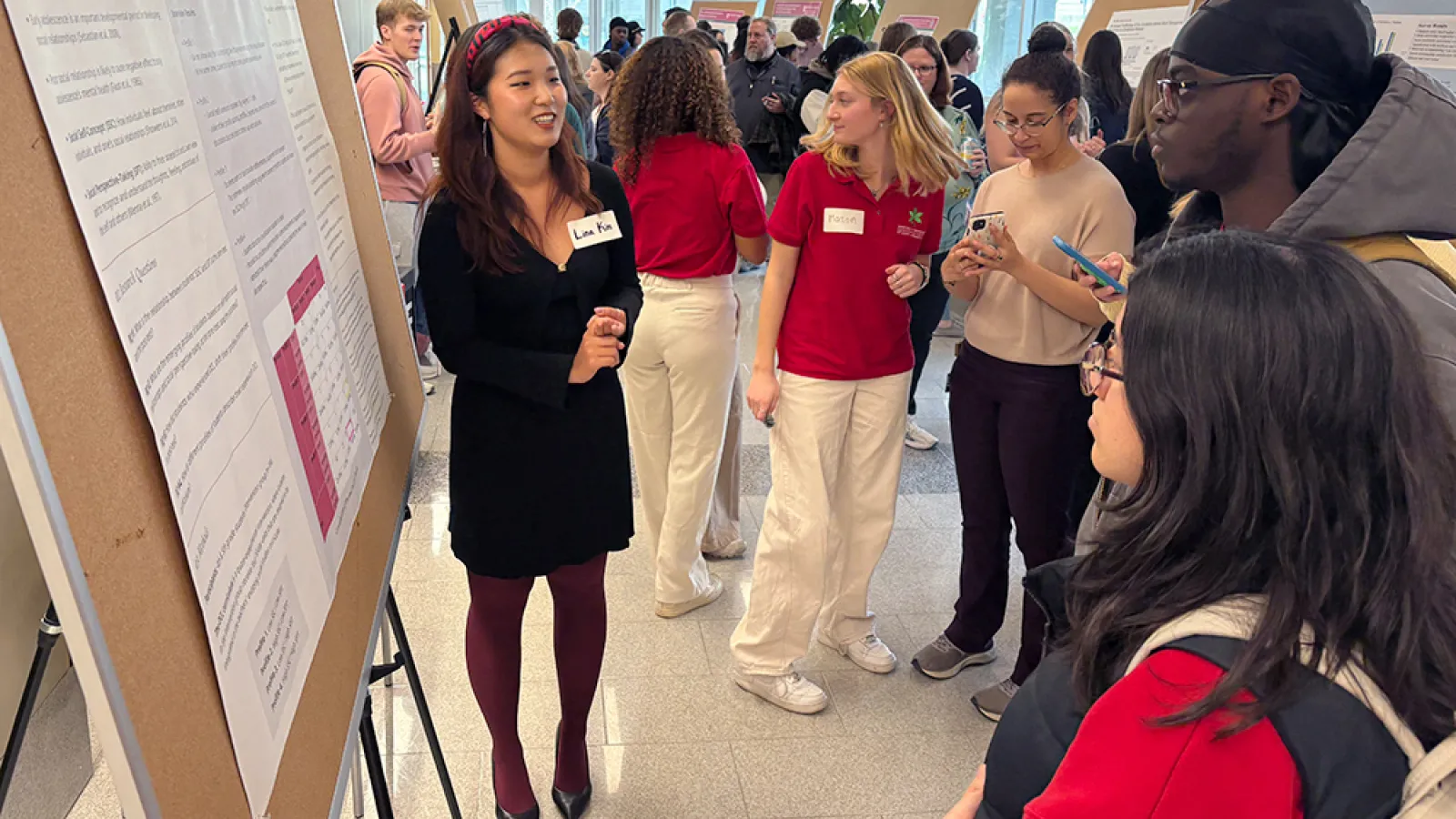
For people who are not fluent in American Sign Language, is the meaning of the “eat” sign easier to guess than that of related words in other languages, such as delicioso, Portuguese for …

A new study conducted by Dr. Megha Shegal reveals that human brains create physical connections between memories that occur close in time.

A new study co-authored by affiliated faculty member Nicole Sintov suggests that people with minority views may change their actions to follow the majority.
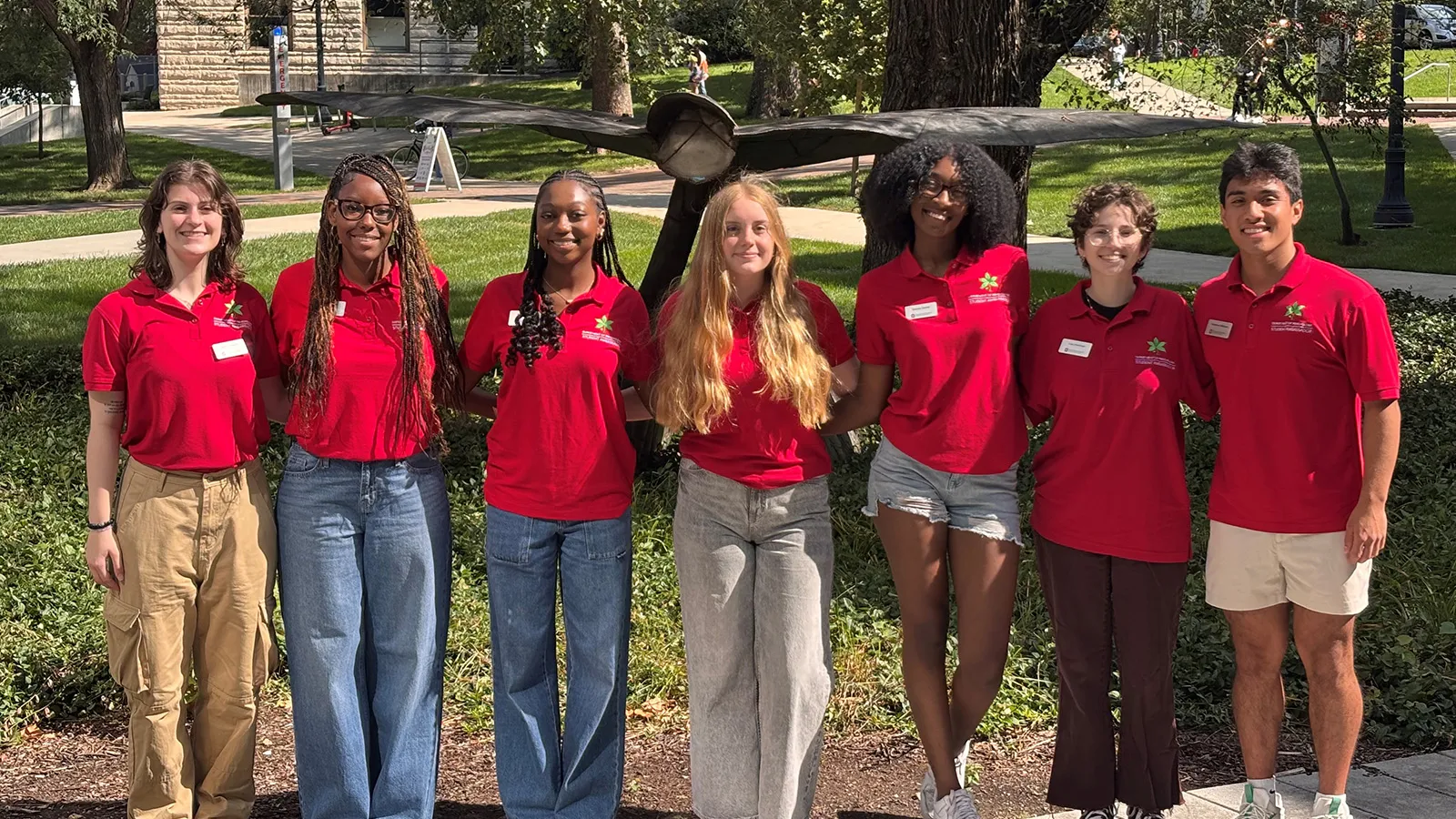
For Scarlet Munoz, the issue of mental health is close to home. When the Ohio State University sophomore was growing up in Sunbury, Ohio, the area was not the wealthy, thriving place it is now,…

In a new paper, Amy Brunell, a professor of psychology at The Ohio State University's Mansfield campus, suggests people need to be aware of the signs of narcissists entering their lives.
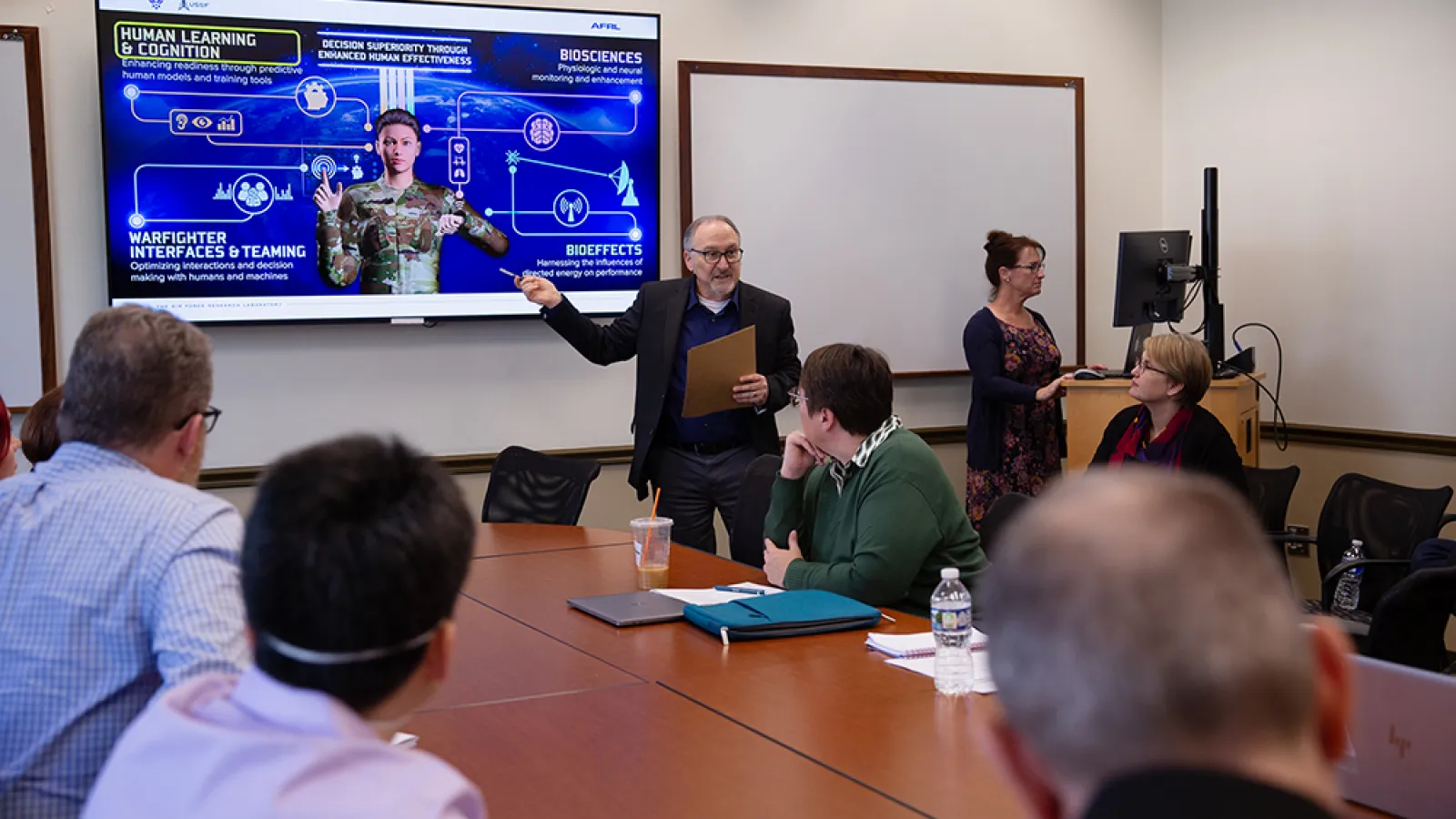
The Ohio State University is working to advance and diversify its research partnerships with the United States Air Force. This autumn, a program sponsored by the Enterprise for Research,…

Ohio State psychology alumnus Austin Lucas leads suicide prevention programming, training, events and education for the Ohio Suicide Prevention Foundation.

Could persuading people to brush their teeth more hold the key to preventing insurrection?
From abortion clinic bombings to violent protests and coup attempts, extremism has played a…
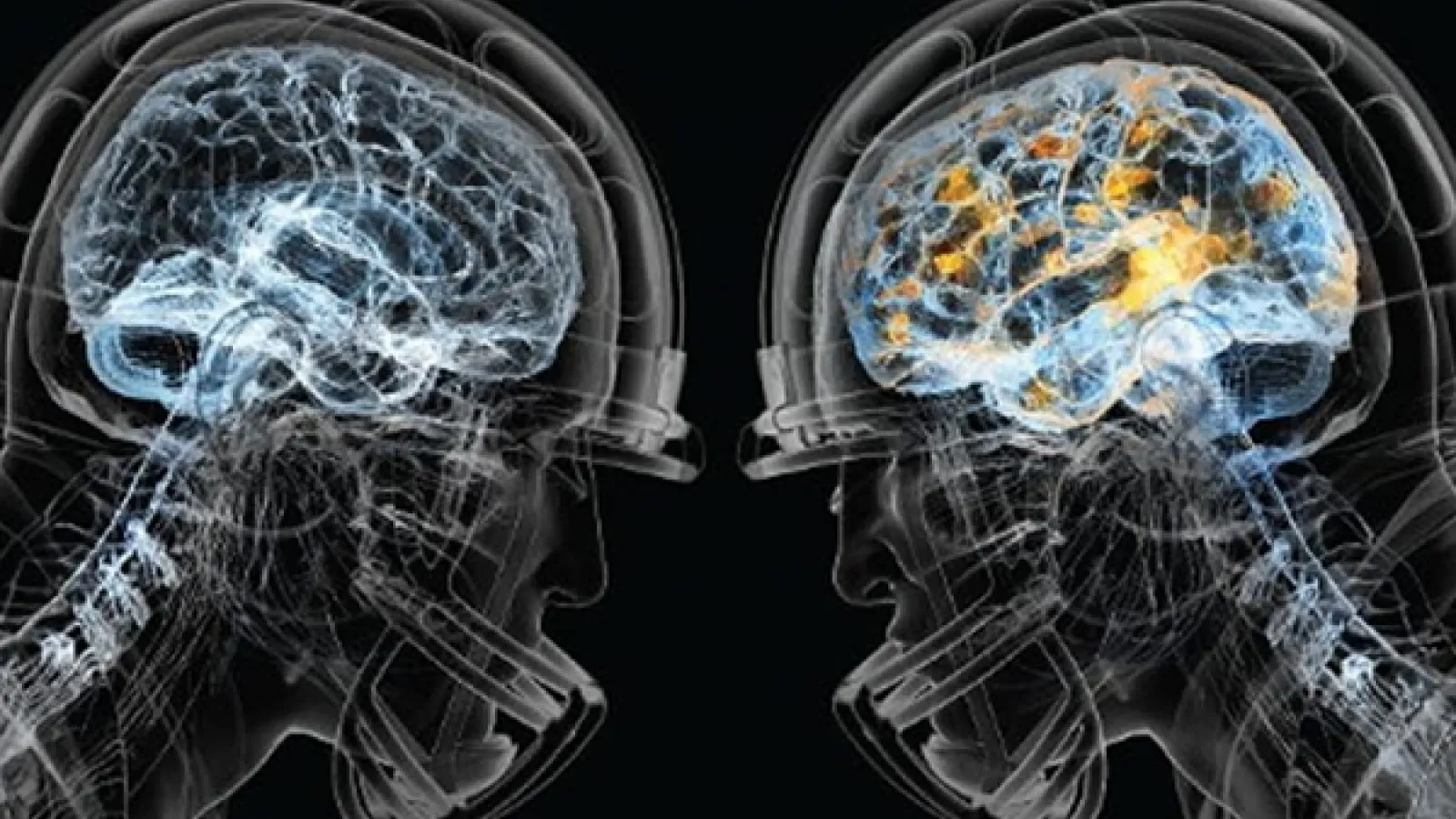
The MINDSET Lab at Ohio State studies the diverse causes of head injuries and how to best recover from them.

A new study co-authored by professor Vladimir Sloutsky brings scientists closer to understanding why children "over-explore."

A new study co-authored by doctoral alumnus Joseph Siev and professor Richard Petty suggests that people go to violent extremes to compensate for attitudinal discomfort.

A new study by associate professor Scott Hayes finds possible value in class exercise breaks.

A new study by doctoral student Whitney Whitted finds that subtle differences in messaging can impact beliefs about treatment.

A new study by doctoral alumna Briana Brownlow finds that at the same symptom severity, the risk of arrest is higher for Black individuals.

New research by professor Russell Fazio suggests that people whose negative attitudes tend to dictate their behavior are more likely to procrastinate about tasks at hand.

A new study led by associate professor Jasmeet Hayes suggests that stress-management techniques could reduce biological risk.
In lonely people, the boundary between real friends and favorite fictional characters gets blurred in the part of the brain that is active when thinking about others, a new study by co-authored…